Specialized web shop for swimming pools, hot tubs and saunas
12. October 2025.
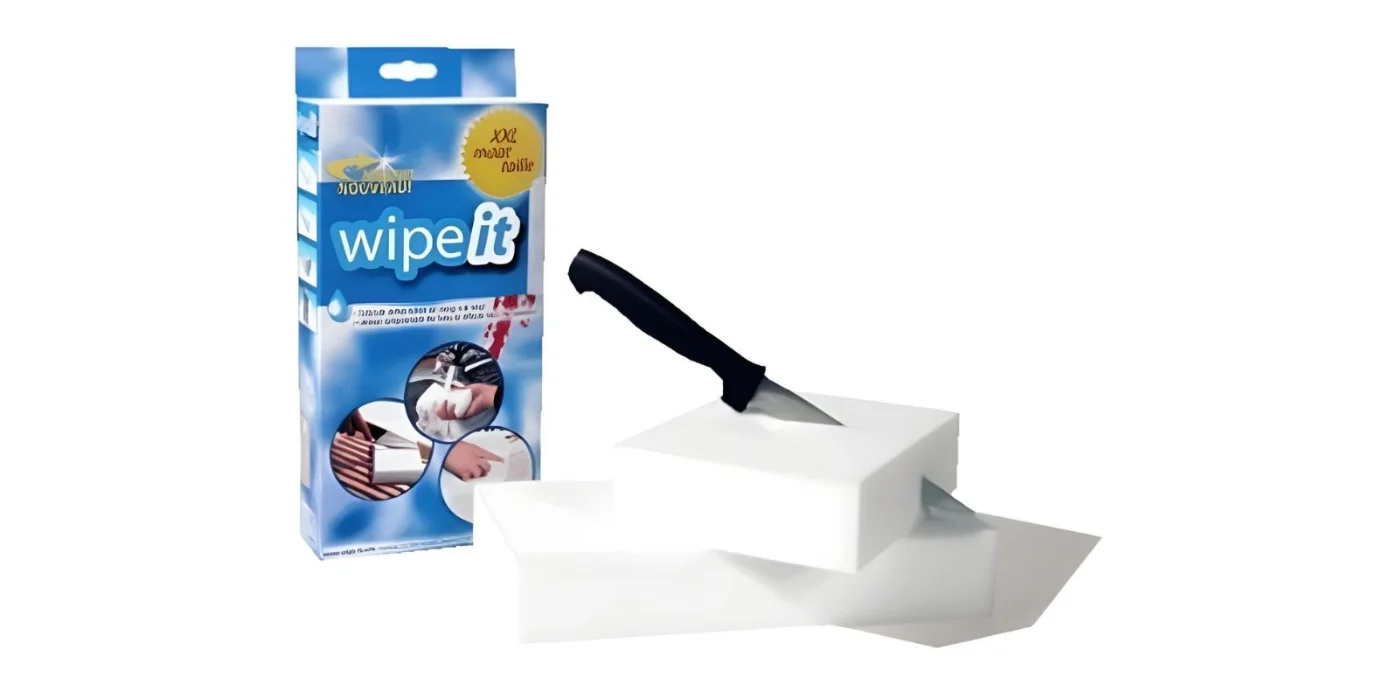
What is a magic sponge and how does it work?
The structure of the melamine foam works like an ultra-fine abrasive mesh. When the sponge is wet, the open pores “catch” grease, cosmetic residue, traces of metal and streaks left by dust and pollen accumulation at the waterline. Since it is a physical removal, the sponge does not leave a chemical trace in the water and is suitable for quick spot cleaning.
- Key advantage: immediate result without additional funds.
- Limitation: does not remove mineral scale deposits rooted in the surface or algae; it requires a special tool or professional treatment.
When to use it
Magic sponges are ideal for:
- the edge of the water where grease and cosmetics are caught,
- ceramic tiles, grouted parts at the height of the waterline and stairs,
- hard plastic of skimmers, baskets and lids,
- handles coated with PVC and details made of compact plastic.
For more serious scale deposits, corrosive stains or algae growth, apply a targeted agent and save the sponge for final polishing of the surface.
Surfaces where you need to be careful
Microabrasives can dull the shine of sensitive surfaces. Test on an inconspicuous area before regular use.
- PVC liner: usually safe, but always test with light pressure.
- Gelcoat: use minimal pressure; avoid circular scrubbing in one spot.
- Polished stone and high-gloss stainless steel: micro-scratches are possible; use a softer cloth and a dedicated cleaner instead.
- Painted/painted surfaces: a sponge can remove pigment.
Preparation before cleaning
Good preparation shortens the work and protects the surface:
- Make sure the water is chemically balanced (pH 7.2–7.6; free chlorine within the recommended range) to prevent new stains from quickly returning.
- If possible, lower the water level a few inches to expose the line of deposits and make them easier to treat.
- Have a clean container of water ready to rinse the sponge and a mesh strainer to catch any loose particles.
Step-by-step procedure
- Dampen the sponge with clean water and wring it out well.
- Hold the sponge at a slight angle and gently rub the stain in a straight line.
- Increase the pressure gradually; if the stain persists, repeat the process rather than damaging the surface with pressure.
- Rinse the sponge regularly to avoid re-staining the stain.
- After cleaning, remove any residue with a cloth or sponge and allow the surface to dry naturally.
- If the sponge begins to crumble, replace it with a new one; this is a normal sign of wear and tear on the melamine foam.
Common mistakes to avoid
- Too much pressure on delicate surfaces, causing a dull finish.
- Circular motions on a small spot that create “shadows”; long, linear strokes are better.
- Attempting to remove scale with a sponge alone; mineral deposits require an acidic cleaner.
- Using a dirty sponge that brings dirt back and creates new stains.
How often to use and how long to last
For heavily used pools, a quick weekly cleaning of the waterline is sufficient. During the season, it is practical to keep a sponge on hand for spot cleaning after each major swim. Depending on the surface and pressure, a quality sponge can last from a few minor treatments to one thorough pass around a smaller pool.
Comparison with chemical agents
- Magic sponge: fast and precise for local stains, without affecting water chemistry.
- Alkaline or acidic agents: more effective for large-scale grease or mineral deposits, but require precise dosing, rinsing and surface protection.
- The best results are achieved by a combination of: regular mechanical cleaning with a sponge at the waterline, and occasional targeted chemical solutions for stubborn deposits
Tips for safe use and disposal
- Wear thin gloves if you have sensitive skin.
- Do not use the sponge dry; dry foam is more abrasive.
- Dispose of the sponge scraps in the general waste; melamine foam is not recyclable.
- Keep out of reach of children and do not use on dishes or delicate household surfaces.
How to choose a quality product
Pay attention to the density of the foam, format and practicality:
- Density: Medium density offers a good balance between durability and softness; too hard a variant can scratch, too soft wears out quickly.
- Format: Blocks for larger surfaces and a thinner “eraser” for edges and joints.
- Packaging: Multi-packs for the season are cost-effective, especially if the pool has a longer waterline or many steps.
- Compatibility: Ask the manufacturer for instructions on use on PVC foil, tiles and plastic.
How to incorporate a magic sponge into your maintenance routine
For a spotlessly clean pool, integrate the sponge into a broader plan: regular filtration, a swimming pool cleaner for the bottom and walls, dirt suction and chemical balance control. The magic sponge fills the gap that automation does not solve – the water line, edge details and small stains. This method of use protects the surface, saves time and reduces the need for aggressive agents, with visibly cleaner water and a tidy appearance of the pool area.
Read more and…