Specialized web shop for swimming pools, hot tubs and saunas
09. September 2025.
Plot and space analysis
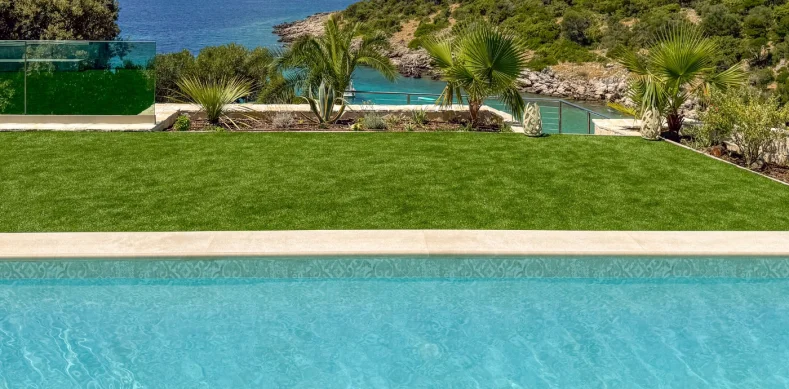
First, the micro-location is assessed: orientation to the sun, wind and neighboring buildings, and access options for installation. The yard space should provide safe access, enough space for equipment and fencing. Terrain with a quality drainage layer reduces the risk of groundwater rising, while proximity to existing electrical and water infrastructure shortens deadlines. It is desirable to place the pool in the part of the plot with the least shade in order to naturally extend the swimming season and reduce the need for heating.
Hydraulics, filtration and water quality
At the heart of reliable operation is a well-designed filtration and circulation system. A quality pump must provide sufficient flow to “turn” the water in the pool several times a day, with minimal energy consumption. The choice between a skimmer and an overflow solution depends on the desired visual effect, noise level and budget. The filter (sand, glass sand) is adjusted to the flow, while the pipe diameters and the number of elbows directly affect the hydraulic losses.
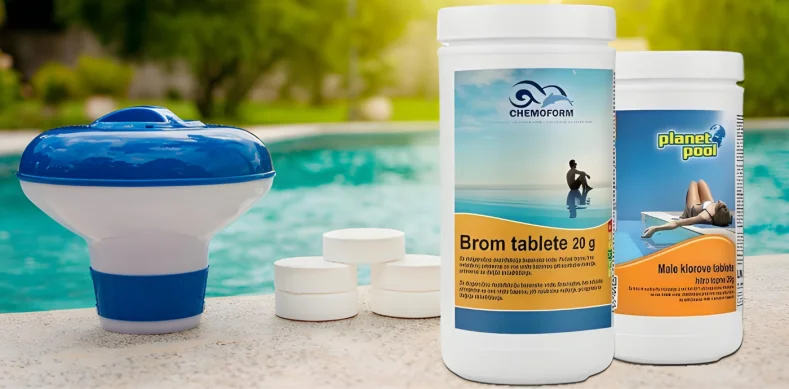
For uncompromising water quality, automated solutions are recommended: coagulant dispensers, automatic pH and disinfection systems, and salt water electrolysis. This reduces manual monitoring, chemical consumption, and fluctuations in quality. Regular cleaning of the surface and bottom, including swimming pool cleaners, keeps the pool clear and relieves the filter.
Heating system and energy efficiency
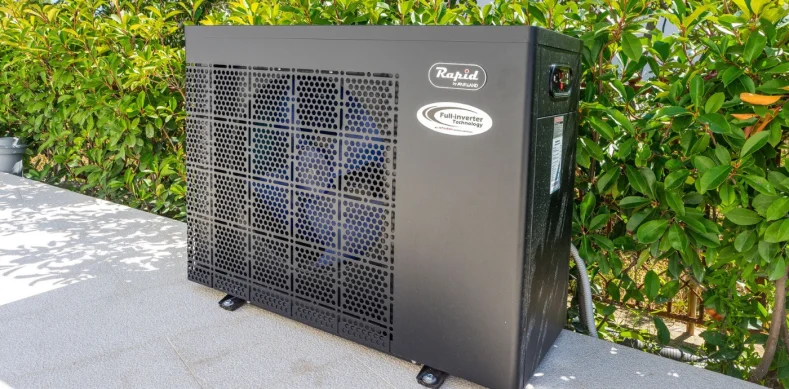
Extending the season is most often achieved with a heating system. A pool heat pump represents the most balanced option between price and performance, with a high degree of efficiency. Heating is most effective when combined with a cover that reduces evaporation.
Smart automation with time programs, temperature sensors and remote control helps the system work when it is most profitable, without unnecessary energy consumption. An energy-efficient variable speed pump further reduces consumption and noise.
Pool safety and compliance
Safety is not an add-on, but the foundation of pool design. Pool safety encompasses a combination of physical and technical measures:
- a safety cover of adequate load capacity,
- anti-slip finishes,
- proper low-voltage lighting in and around the pool,
- clearly marked depths and ergonomic handrails.
Local regulations, distances from plot boundaries, installations and any requirements for drainage or groundwater protection are checked at an early stage. Installing a safety alarm or level sensor further reduces risks, especially in single-family homes.
Equipment that enhances the experience
Functional additions enhance everyday use. LED lighting highlights the architecture and makes evening swimming safer. A counter-current swimming module, massage jets and waterfalls add a recreational dimension, while simple elements such as wide skimmers are practical for maintenance. Overall, a thoughtful selection of equipment reduces complexity and increases pleasure.
Cost picture and installation deadlines
A realistic plan includes initial investment and operating costs. Concrete solutions should be expected to have longer construction times and greater design freedom. Operating costs are defined by pump operation, heating, chemical consumption and periodic services. Energy optimization (variable pumps, automated disinfection, thermal blankets) quickly pays for itself through reduced bills and fewer interventions.
Documentation, guarantees and service
A quality contractor delivers detailed design documentation: floor plans, cross-sections, hydraulic diagrams and electrical preparation. In addition, clear guarantees on construction, equipment and seals and an available service network are key to long-term investment security. Educating users on routine maintenance procedures and seasonal winterization prevents costly mistakes and extends the life of the material.
Carefully planned pool design, with the proper selection of materials, hydraulics, heating systems, and safety elements, results in a reliable and aesthetically pleasing gathering place that is easy to maintain, saves energy, and provides maximum value over years of use.
Read more and…