Specialized web shop for swimming pools, hot tubs and saunas
22. September 2025.
Water temperature, bathing duration and users with special needs
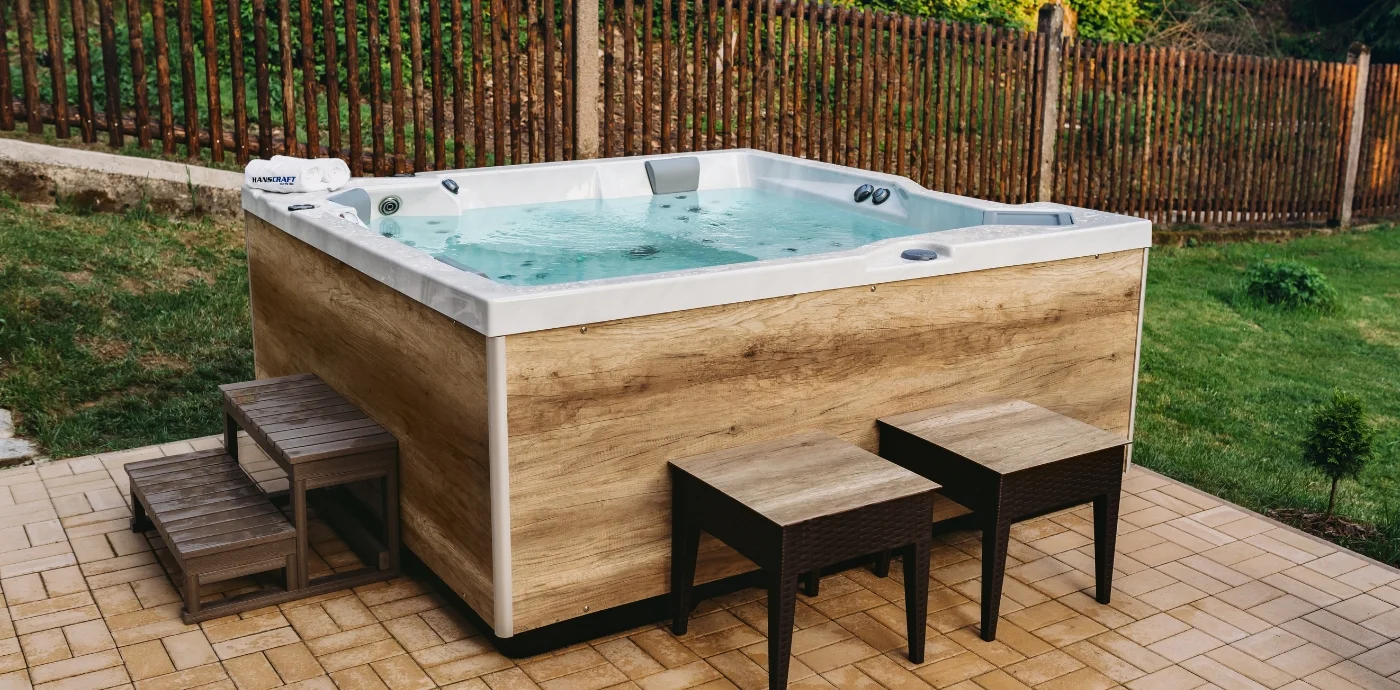
The optimal water temperature for most users is between 36 and 38 °C. Higher settings increase the risk of overheating and dizziness, especially with prolonged use. Limit use to 15–20 minutes at a time, with breaks for cooling down and adequate hydration. Alcohol and hot water are a bad combination; they reduce alertness and increase the risk of fainting.
Children, pregnant women, the elderly and users with cardiovascular problems need extra attention. For children, lower the temperature and never leave them unattended. If you have high blood pressure or other health problems, consult a doctor before use.
Water hygiene and the fight against bacteria
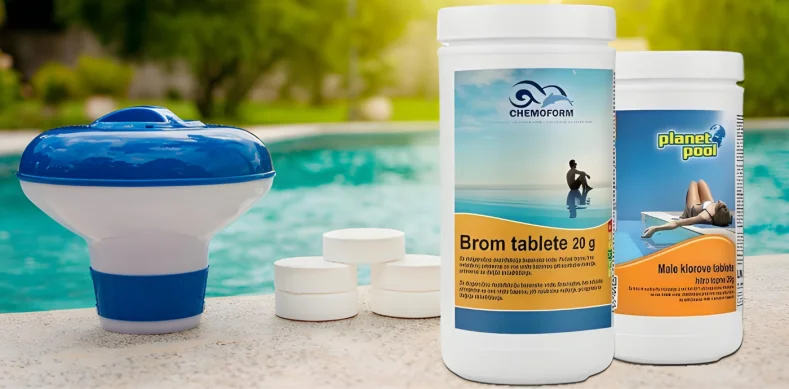
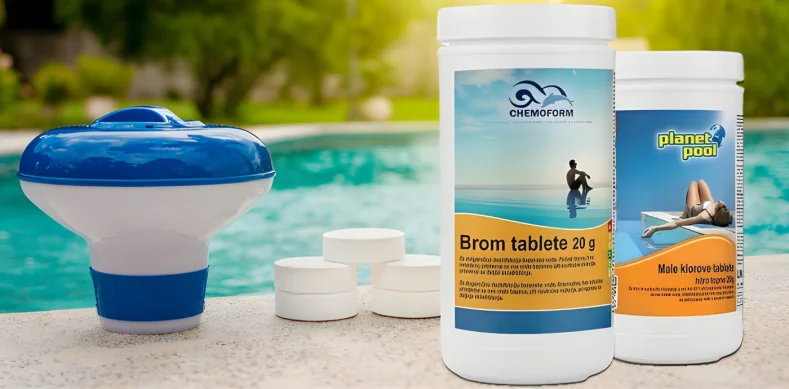
Water quality is crucial for health. Maintain a pH between 7.2 and 7.6 and an appropriate level of disinfectant (chlorine or bromine as recommended by the manufacturer). Perform a regular “shock” treatment, monitor turbidity and odors, and replace some or all of the water as needed. Pay special attention to the development of bacteria and biofilm in the pipes; periodically perform a systematic flushing with cleaning agents intended for hydromassage systems.
Rinse filters weekly, and perform a deeper clean with products as directed. Wash the bathtub cover with a mild detergent and keep it dry to prevent mold. Shower before getting in; cosmetics, creams, and lotions quickly contaminate the water and reduce the effectiveness of the disinfectant.

Electrical safety and infrastructure
Water and electricity require strict discipline. Electrical components must be protected from splashes, and switches and sockets must be located away from the edge of the bathtub. Regularly inspect the insulation of cables, seals and pump housings. In the event of leaks, unusual noises or a burning smell, immediately turn off the power at the main switch and call for service.
For outdoor installations, give preference to UV-resistant materials and waterproof connectors. The earth connection and potential equalization must be carried out in accordance with regulations; this is not the place for improvisation.
Rules of use for family and guests
Clear rules reduce risk. Apply the following safety measures:
- No glass near the tub; use non-reflective, shatterproof glass.
- Non-slip steps and grab bars make it easy to get in and out.
- A lockable cover prevents accidental entry by children and animals and protects the water from dirt.
- If you feel dizzy, drowsy, or overheated, get out of the tub immediately.
Guests using your hot tub for the first time need a brief education: how to adjust the massage intensity, where the main switch is, and what the recommended temperature setting is.
Massage intensity, jets and ergonomics
Start with a lower massage intensity and gradually increase. Jets that are too strong can irritate the skin and strain the muscles. Do not lean directly against the nozzle for too long; change your body position and be careful of sensitive areas. Keep long hair tied back and keep the suction grilles and covers undamaged to prevent hair or clothing from getting caught.
Check that the nozzles are clear and clean, free of limescale and deposits. Unpleasant noises, a drop in water pressure or sudden changes in intensity are signs that service is required.
Seasonal maintenance and equipment protection
Outdoor hot tubs require winterization. If you are not planning to use them, drain the water, bleed the pipes according to the manufacturer's instructions, and protect the components from freezing. Regularly inspect the seals, nozzles, cover, and insulation throughout the year. Store chemicals in a dry, ventilated place, out of the reach of children, and never mix different products without clear instructions.
Systems such as ozonators or UV-sterilizers can reduce chlorine or bromine consumption, but do not replace basic disinfection. Handheld vacuum cleaner and dedicated cleaning agents facilitate the maintenance of interior surfaces and seats.
Smart habits that extend your lifespan
Short but consistent routines add up to a big difference. Check the water quality several times a week, keep notes on pH and disinfectant, and correct deviations in a timely manner. Cover the tub after each use to preserve heat and hygiene. Schedule periodic services to have the pump, heater, electronics, and seals inspected under load.
Owners who adhere to safety measures enjoy greater comfort, lower costs and longevity of equipment. When an expert partner takes over the design, installation and education of the user, the hot tub becomes a safe space for relaxation, without unpleasant surprises and with an emphasis on long-term, carefree use. Ivano Bazeni Zadar fosters such an approach through precise planning, quality equipment and support that follows the entire life cycle of the bathtub, from the first filling to regular maintenance and replacement of consumables.
Read more and…