Specialized web shop for swimming pools, hot tubs and saunas

15. September 2025.
How the filtration system works
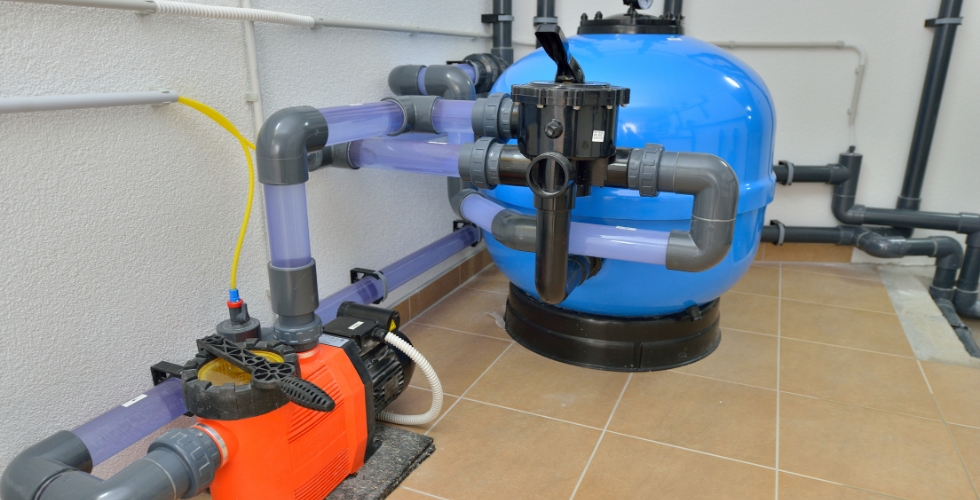
Water circulates through skimmers or an overflow channel, passes through a pump and enters a filter where impurities are retained before being returned through the nozzles. The key elements are: a pump (flow and pressure), a filter (type and granulation of the media), valves and a pipeline of the correct diameter. The total volume of the pool, the planned swimmer load, the location and exposure to wind or leaves should be taken into account, as each condition affects the required power and efficiency. Experienced companies, such as Ivano Bazeni Zadar, design a filtration system according to actual usage habits so that the pool can maintain stable circulation throughout the season.
Types of filters and media
Sand filter with glass or quartz sand
It is the most widely used solution due to its robustness and ease of maintenance. Filtration glass media typically retain particles in the 20–40 micron range. Advantages are long life and easy backwashing. Disadvantages are higher water consumption during backwashing and lower level of fine “polishing” compared to a cartridge. Glass media often provides better flow and lower water consumption for the same filter.
Prefiltration and “baskets” in the skimmer
Installing screens or filter baskets in the skimmer traps larger debris before it enters the main filter. This small but important step protects the pump and extends the intervals between flushing.
Automation and equipment for greater efficiency
Robotic cleaners take over the mechanical collection of deposits from the bottom and walls, relieving the filter and improving circulation. Automatic dosing of chemicals (pH and disinfection regulation) stabilizes the parameters. These technologies do not replace the filter, but increase the overall efficiency of the system.
Chemical balance and water parameters
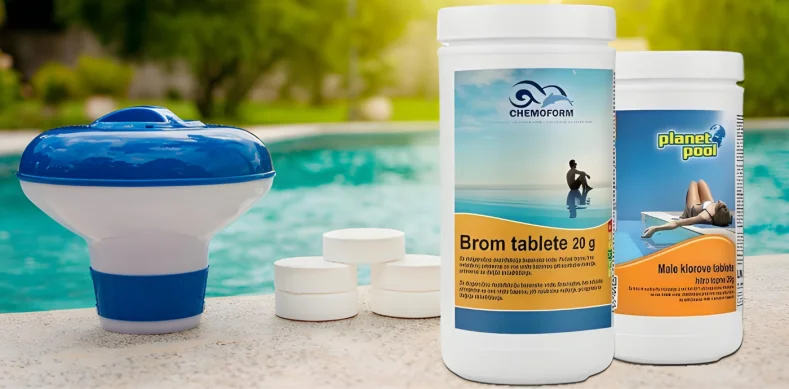
Filtration and disinfection work together. For most family pools, the reference parameters are: pH between 7.2 and 7.6, free chlorine in the recommended range, total alkalinity and hardness adjusted to the pool liner. Flocculants and coagulants help to combine very small particles into larger flakes that are more easily retained by the filter. If the pH is out of balance, even the best filtration system will have a problem because disinfection loses its effectiveness.
Sizing and daily work
A good rule of thumb is that the filtration system should allow for a complete water change in the pool several times a day, depending on the load and temperature. The pump often runs for 6–12 hours a day, in multiple intervals. The sand filter is backwashed when the pressure builds up or at least once a week during peak season. Sand media is usually replaced every 3–5 years, glass media lasts longer. Regularly checking the pressure gauge and valve leaks is a simple step that prevents major breakdowns and maintains efficiency.
The most common problems and quick solutions
- Cloudy water: increase filtration time, clean filter, add flocculant and check pH.
- Green water: shock chlorination with continuous filtration for 24–48 hours, mechanical algae removal and filter flushing.
- Unpleasant odors: usually due to a combination of organic impurities and insufficient disinfection; check free chlorine levels and oxidize water.
- Foam: associated with cosmetics and inappropriate algaecides; change product and increase filtration.
On hot days and with a large number of bathers, increased pump operation and more frequent testing are required. Any change in conditions – such as storms, dust or heavy use – requires adjustments to filtration times and chemical dosage.
Design and professional support
An expertly designed filtration system combines the right filter, the right pump, quality media and smart automation solutions. The experienced team at Ivano Bazeni Zadar takes into account the specifics of the location, the desired use and the budget, and then educates the owner on self-maintenance. This approach reduces water and chemical consumption, keeps parameters under control and ensures that the pool water remains crystal clear throughout the season.
Read more and…