Specialized web shop for swimming pools, hot tubs and saunas
11. November 2025.
Prefabricated swimming pool as a smart solution for different sized yards
For narrow or shorter plots, a small pool of the right size can provide cooling comfort without compromising the walkability of the yard. Larger plots allow for larger swimming areas, sunbathing areas and integration with the terrace. The advantages of prefabricated pools are particularly evident when you need to:
- precisely match the pool to the existing garden or architecture of the house
- reduce the construction time
- control costs without sacrificing quality
Fast installation, less construction work and a clean construction site
Unlike classic concrete solutions, prefabricated systems shorten the installation time because they come as pre-assembled elements. This means less digging, shorter machine downtime and a tidier construction site. A prefabricated pool can be above-ground (e.g. free-standing pools), semi-buried or fully buried, which makes it easier to adapt to the terrain and the position of the installations, and in some cases, future upgrades.
Materials and lifespan: what makes the difference
The quality of the material directly affects the service life and stability of the structure. Modern prefabricated systems combine steel or composite panels with reliable substrates and coatings that are resistant to UV radiation, chemicals and temperature fluctuations. Such a design reduces the risk of cracking and provides a smooth, hygienic surface that is easier to maintain. Choosing the right material also determines the thermal stability of the water, so proper insulation reduces energy losses and the need for intensive heating.
Maintenance and water quality without stress
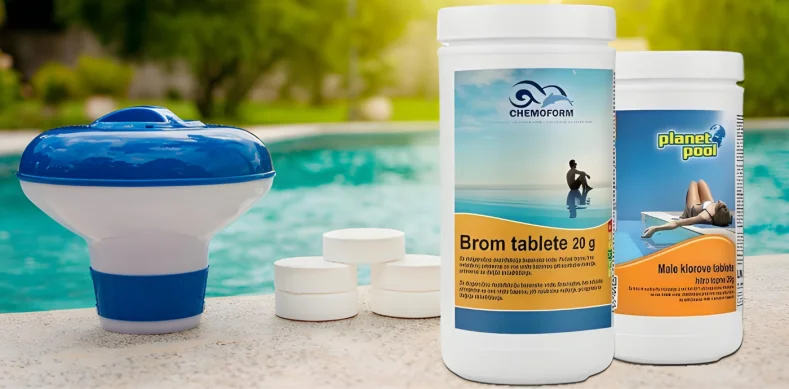
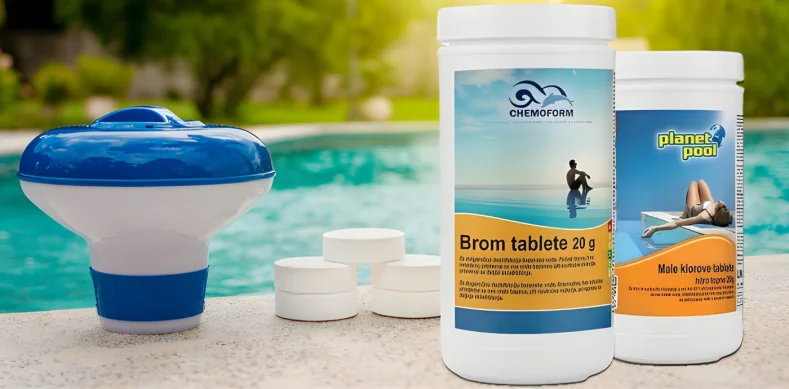
An efficient filtration system, adequate circulation and the correct dose of water treatment agents ensure the clarity and safety of bathing. Automated dosing stations, UV or salt electrolysis reduce reliance on manual processes, while swimming pool cleaners keep bottoms and walls tidy. Regular servicing and user education make a difference in long-term reliability, so it is important to choose a solution that comes with professional support for seasonal opening, cleaning and optimization of parameters.
Comparison with a classic pool: cost control and implementation time
With a classic concrete pool, the costs of design, reinforcement and finishing are often higher, along with longer deadlines and a greater risk of unforeseen works. The assembly pool reduces most of these uncertainties thanks to the industrially controlled production of elements. This gives you a predictable budget and clear execution dynamics, and potential improvements - such as changing equipment or installing accessories later - are easier to plan.
Planning dimensions, shape and position
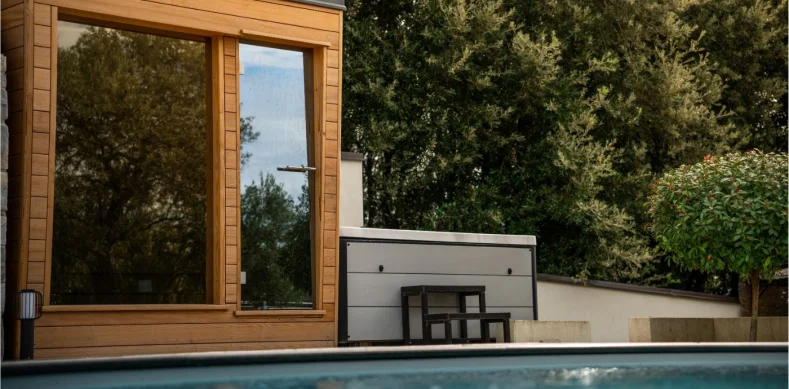
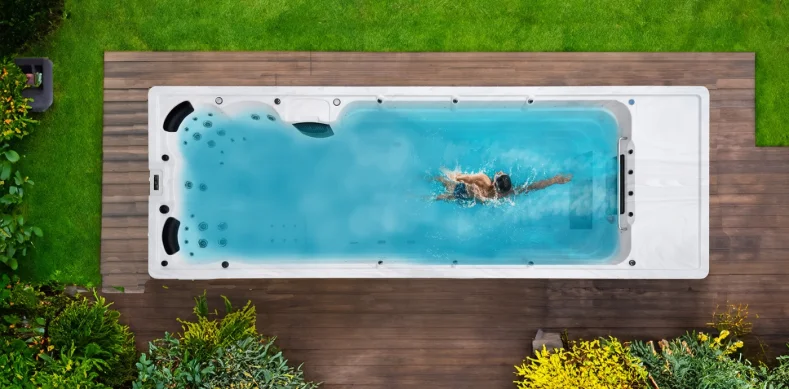
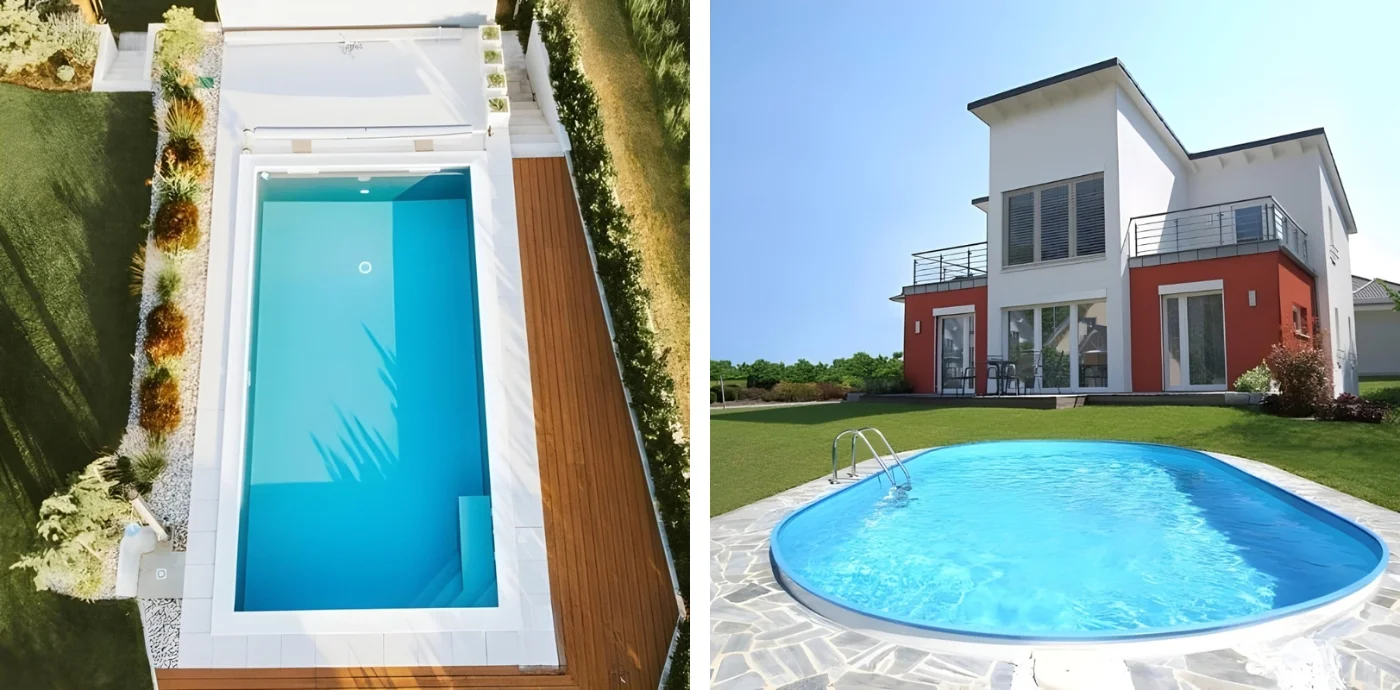
The optimal location in the yard is defined by sunlight, privacy, distance from installations and safe access. Rectangular pools make maximum use of the swimming length, while freer shapes follow the curves of the garden better. When choosing dimensions, it is important to balance the desired water experience with the needs for a terrace, shade, shower and equipment storage. Smaller areas require careful selection of the width of the edge zones and smart positioning of equipment to keep the space walkable and functional.
Energy efficiency and time-saving equipment
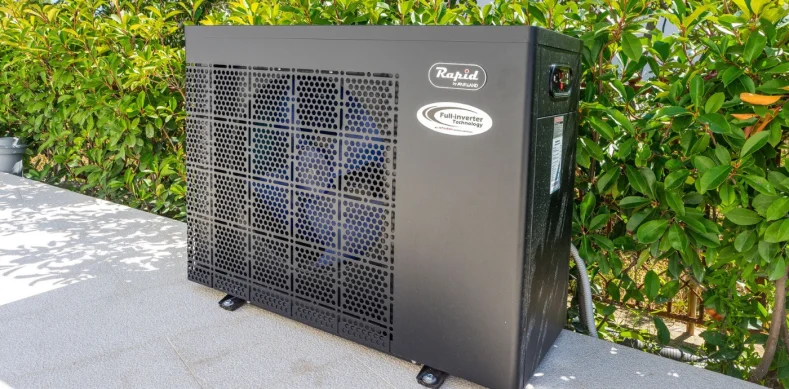
New generation heat pumps, well-insulated covers and variable speed pumps reduce energy consumption and thus the cost of ownership. LED lighting ensures the ambiance with minimal consumption. Automation of dosing and filtration schedule allows the pool to work optimally even when you are not at home, with constant control of key parameters.
Expert design and support throughout the entire life cycle
Experience in design, installation and maintenance is crucial for peaceful ownership. An individual approach means that the purpose of the pool is first clearly defined – relaxation, family swimming, recreation – and then the dimensions, materials and equipment that best suit the space and habits of the user are selected. With proper education on regular maintenance and annual services, a prefabricated pool retains its value, appearance and functionality for many years.
Read more and…