Specialized web shop for swimming pools, hot tubs and saunas
15. January 2026.
How a heat pump works and why it is cost-effective
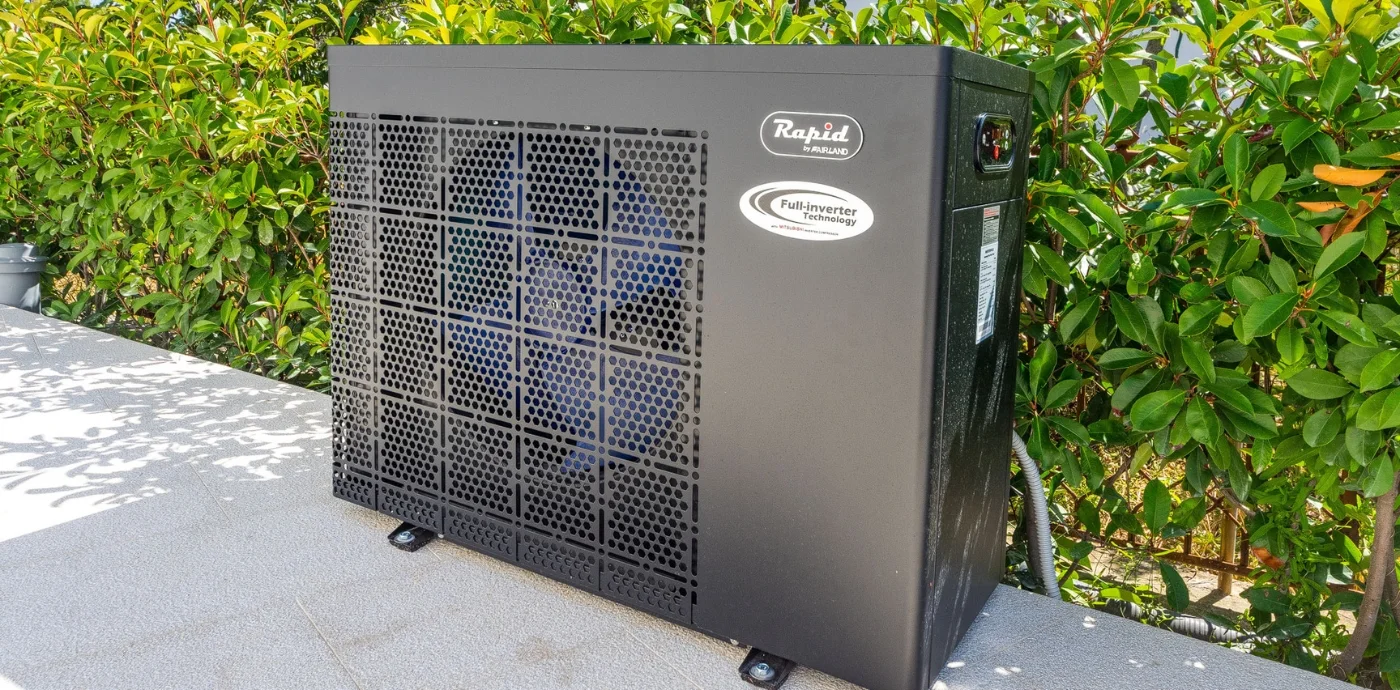
An air-to-water heat pump uses a compressor and a refrigerant to collect heat from the air, even at lower outdoor temperatures. This heat is transferred to the pool’s circulating water via an exchanger. Since most of the energy is “borrowed” from the environment, electricity consumption is relatively low compared to the heat produced, which is reflected in a high coefficient of performance (COP). In practice, this means lower monthly heating costs compared to electric heaters and competitiveness compared to gas solutions, especially when the pool is covered and the hydraulics are properly adjusted.
Benefits for pool owners
- Heating and cooling: most modern models also allow the water temperature to be lowered in summer for added comfort.
- Precise control: digital regulation maintains the set temperature with minimal deviations.
- Quiet operation: inverter technology adapts power to actual needs, so the fan and compressor operate more quietly.
- Longevity: a titanium heat exchanger achieves resistance to corrosion and chemicals.
- Ecology: modern refrigerants, such as R32, reduce environmental impact with better energy efficiency.
- Power flexibility: the combination with a photovoltaic system further reduces energy costs.How to choose the right heating pump
How to choose the right heating pump
Proper sizing is crucial for comfort and cost of operation. When choosing, consider:
- Pool volume and surface area: the larger the volume and surface area exposed to the air, the more power is required.
- Desired water temperature and season of use: higher target temperatures and use in spring/autumn require a more powerful model.
- Climatic conditions and location: wind, shade and altitude affect heat loss; a sheltered location improves performance.
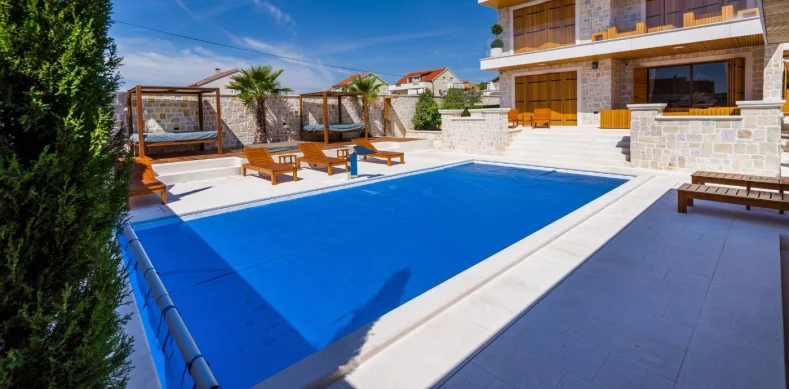
- Pool cover: a good thermal cover (e.g. Geobubble foil) reduces evaporation and heat loss, allowing you to choose a compact device.
- Hydraulics and flow: check that a stable flow through the exchanger is ensured and provide a by-pass for fine adjustment.
- Noise level: inverter models are suitable for residential areas due to their quiet operation.
- Safety and electrical requirements: appropriate fuses, RCD protection and proper wiring should be planned at the design stage
As a rule of thumb, power reserve is useful for colder and windier days, while pool covering and proper filtration can significantly reduce the power required.
Costs, efficiency and return on investment
The initial investment in a heat pump is higher than simple electric heaters, but the operating cost are significantly lower thanks to its high efficiency. In combination with a night tariff or a photovoltaic system, the operating costs drops even further. The return on investment is affected by the size of the pool, the frequency of use, the temperature you want to maintain and the quality of the cover. In practice, users who extend the season and keep the water stably warm achieve the fastest return, because they avoid frequent, energy-intensive “raising” the temperature from a cold state.
Installation and maintenance with a focus on reliability
Proper installation includes proper positioning of the device with sufficient air flow, flexible joints and by-pass on the pipeline, and controlled condensate drainage. The electrical connection must be in accordance with regulations and carried out by a qualified electrician. After commissioning, it is necessary to monitor pressures, flow and operating temperature, and set the control parameters according to the actual conditions of the pool.
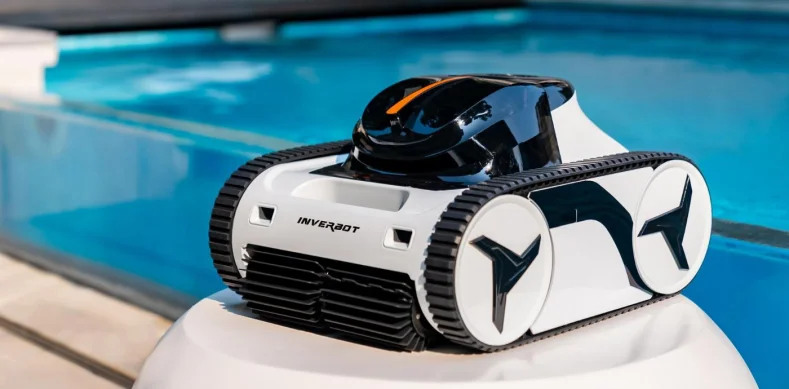
Maintenance is simple: keep the filters clean, regularly rinse the skimmer and baskets, check the flow and, if necessary, remove leaves and debris from around the air intake. Professional service periodically inspects the electrical connections, fan and general condition of the housing. Ivano Bazeni Zadar also provides education for self-maintenance, as well as equipment such as automated robot vacuum cleaners to keep the water and pool shell spotless.
When a heating pump may not be the first choice
If the pool is used exclusively in the middle of summer, without the need to raise or lower the temperature, or if the accommodation space is poorly ventilated and air flow is limited, simpler solutions may be sufficient. However, in most residential situations, especially with a cover and proper sizing, a heating pump delivers stable temperatures, quiet operation and permanently lower operating costs.
Read more and…